


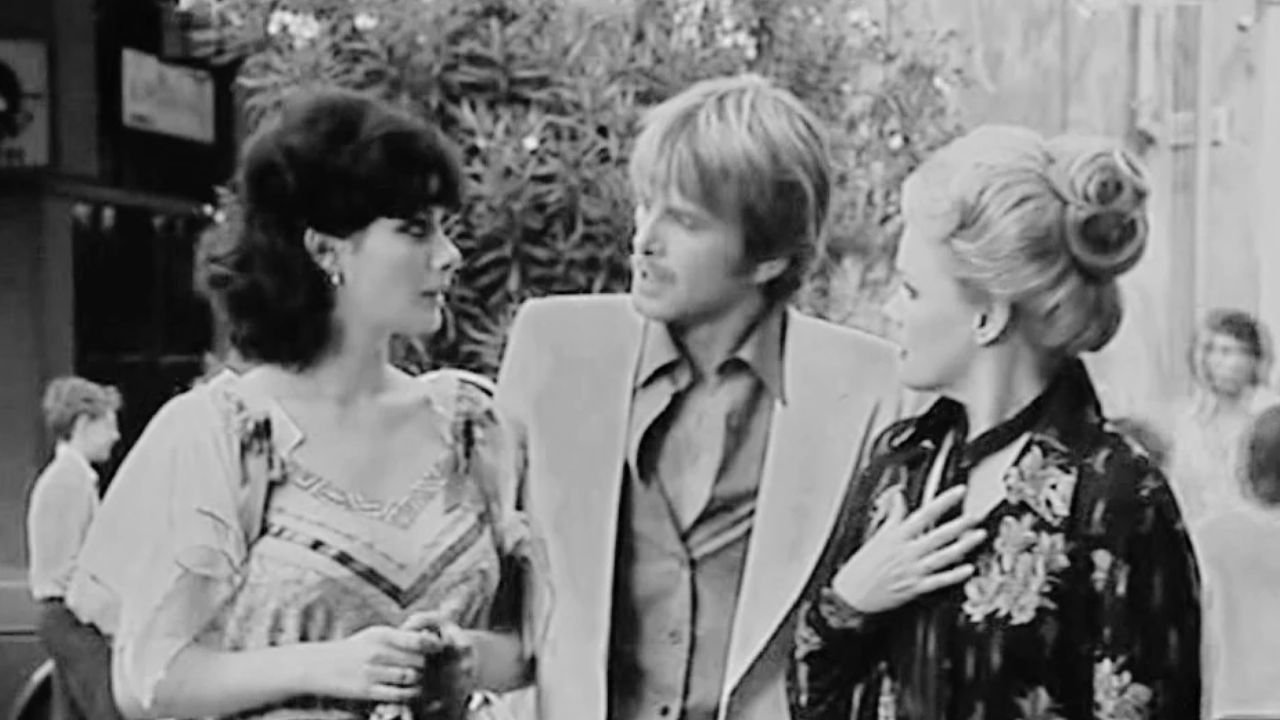
When people search for Gioia Lovelock, they often land on genealogy databases or celebrity-family listings rather than any page built around her own public career. That gap between search interest and available information is worth addressing directly.
This article covers who Gioia Lovelock is, how she is connected to Anglo-Italian actor Ray Lovelock, what her role in his professional life looked like, what is known about their family, and where the public record honestly runs dry.
Who Gioia Lovelock Is?
Gioia Lovelock is publicly identified as the wife of Ray Lovelock, an Anglo-Italian actor and musician who built his career largely within Italian cinema and television.
She is not documented in available sources as an actress, entertainer, or public figure in her own right. Her name surfaces primarily because of her connection to Ray — through biographical listings, actor profiles, and privately maintained genealogy records.
One genealogy resource, the Wroughton-Tidcombe family tree, notes her maiden name as Trasmondi. Because that source is a privately maintained family tree rather than an independently verified record, it is worth treating as genealogical context rather than confirmed biography.
Beyond her name, her connection to Ray, and her role in his career, very little about Gioia’s early life, background, or personal history is documented in reliable public sources.
How Gioia and Ray Lovelock Met and Married?
According to Ray Lovelock’s biographical profile on Amazon Prime Video, he and Gioia met in 1968. They married two years later, in 1970.
Based on available sources, the couple remained together throughout Ray’s active career period. No details about where they met, the circumstances of their relationship, or the location of their wedding appear in any reliable public source.
The 1968 and 1970 dates are the clearest confirmed data points in the public record for their relationship timeline. Everything beyond those two facts would be speculation, so this article stays within those limits.
Gioia’s Role as Ray Lovelock’s Agent
One specific detail that sets Gioia apart from a purely private figure is her professional role. Ray Lovelock’s biography identifies her as his agent — meaning she held a formal position in supporting his career, not just a personal one.
In practical terms, an agent in the film and television world typically handles bookings, industry representation, and professional negotiations on behalf of a performer. For Ray, this would have meant Gioia was involved in the business side of his acting work.
This kind of dual arrangement — spouse and professional representative — was not unusual in Italian film circles, particularly for actors working across both domestic productions and international co-productions.
Beyond the agent designation itself, no further detail about the scope of her work, how long she held that role, or which specific projects she handled is available in independent sources. The article sticks to what is documented rather than expanding her role beyond what the record supports.
Ray Lovelock — Background and Career Context
To understand why Gioia Lovelock’s name appears in searches, it helps to understand who Ray Lovelock was and why he remains a recognizable name in certain film communities.
Ray was born in Rome on June 19, 1950. His mother was Italian, and his father was an English soldier who had served with the Allied forces in Italy during World War II. That Anglo-Italian background shaped both his identity and the kind of work he found in the film industry.
He began building his career in Italian genre cinema during the late 1960s — arriving just as the Italian film industry was producing some of its most commercially active output in horror, crime, and spaghetti western genres.
Notable Film Credits
Ray accumulated a solid body of work across several genre categories. Some of his most recognized film credits include:
- Let Sleeping Corpses Lie — a horror film that developed a lasting cult following outside Italy
- The Last House on the Beach — a crime-horror production from the Italian exploitation era
- Live Like a Cop — Die Like a Man — a gritty Italian crime film from the poliziottesco genre
- Django Kill… If You Live, Shoot! — a spaghetti western with a notably dark tone
- Murder Rock — a later genre entry directed by Lucio Fulci
These titles were part of a productive run through Italian cinema that kept Ray working steadily across two decades.
Television Work
On Italian television, Ray held a recurring role as Dr. Hans Rudolf in Incantesimo, a long-running Italian series. That role gave him consistent visibility with domestic audiences well beyond his film work.
His ability to work in Italian-language productions while also being accessible for international co-productions — partly because of his English background — made him a useful and recognizable presence in the industry.
Francesca Lovelock — The Couple’s Daughter
Ray and Gioia Lovelock reportedly had a daughter, Francesca Lovelock, born in 1971. That detail comes from Ray’s Amazon Prime Video biographical profile.
One available listing cautiously describes Francesca as working in film production — specifically in roles connected to assistant directing and production management in Naples. However, because independent documentation of her career is limited, this should be treated as a background detail rather than a confirmed biography.
Francesca is not a widely documented public figure in her own right. Her name appears in family-connection searches and genealogy listings tied to her father’s profile.
Why Gioia Lovelock Appears in Genealogy Searches?
It is worth explaining why someone might find Gioia’s name on genealogy platforms or celebrity-family databases without having specifically searched for her.
Family-tree resources and biographical databases often include spouses and children of well-known figures as part of a person’s full profile. When Ray Lovelock’s entry is listed, Gioia appears alongside him as his wife, and Francesca appears as their daughter.
These entries are sometimes built from user-submitted family trees, which means they should be read with some caution. Privately maintained genealogy records can contain accurate information, but they are not always independently verified. The Wroughton-Tidcombe tree, for example, is a useful reference point but not a primary biographical source.
If you are researching Gioia through one of these databases, it is worth cross-referencing with more formal biographical sources where possible — and accepting that some details may simply not be in the public record.
For those doing background research on figures connected to the Italian film industry, resources like Small Business Goal also offer practical guidance on researching public figures and understanding the limits of online information sources.
What the Public Record Does and Does Not Tell Us?
It is easy to assume that because someone appears frequently in searches, there must be a detailed public record available about them. With Gioia Lovelock, that is not the case.
What is confirmed: she was Ray Lovelock’s wife, they met in 1968, married in 1970, and she served as his agent at some point during his career. They had a daughter, Francesca, born in 1971.
What is not documented: Gioia’s birthdate, birthplace, nationality, education, early life, the full scope of her professional work, or any public activities outside her connection to Ray.
That is not a gap that should be filled with guesswork. The honest answer is that Gioia Lovelock was a private person who played a meaningful role — both personally and professionally — in the life of a working actor. The public record simply does not go further than that.
A Brief Summary
Gioia Lovelock is primarily known as the wife and agent of Ray Lovelock, the Anglo-Italian actor who built a steady career across Italian genre films and television from the late 1960s onward.
She met Ray in 1968 and married him in 1970. Together they had a daughter, Francesca, born in 1971. Her role as Ray’s agent gave her a professional dimension that goes beyond that of a purely private spouse, though the specifics of that work are not independently documented in detail.
Ray’s career — spanning cult horror films, Italian crime cinema, spaghetti westerns, and long-running television — is the main reason her name continues to appear in searches today. For readers looking for a fully documented biography of Gioia herself, the public record is limited, and this article reflects that honestly rather than filling the gaps with unsupported claims.
Also Read:
